
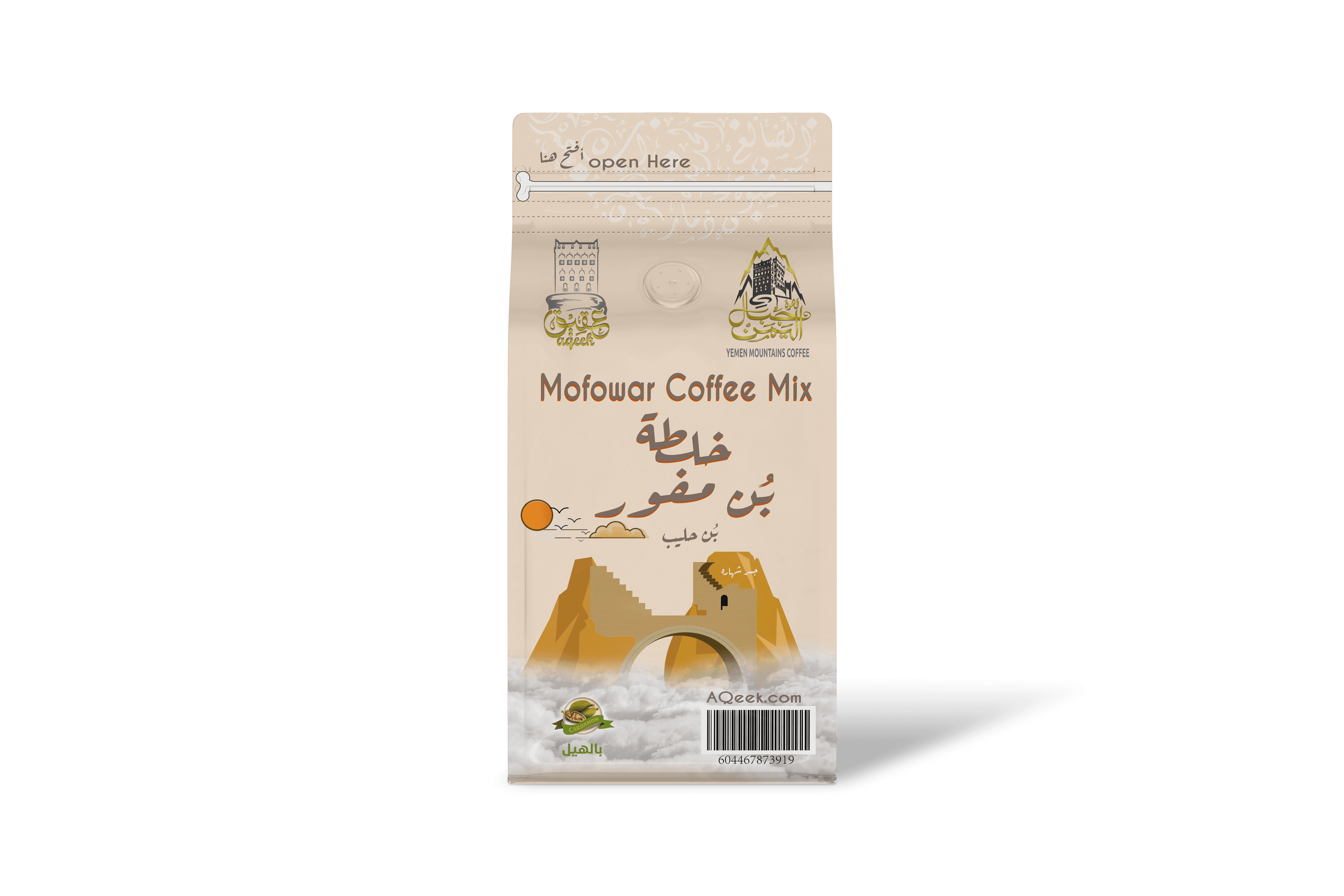
The Rich History of Yemeni Coffee
Yemeni coffee holds a special place in the world of coffee. Its history is as rich as its flavor.
Yemen is often hailed as the birthplace of coffee cultivation. The country's unique landscapes and climates contribute to its distinct coffee varieties.
Yemeni coffee beans are renowned for their complex, wine-like taste. This makes them a favorite among specialty coffee enthusiasts.
The cultural significance of coffee in Yemen is profound. It is deeply woven into social and religious practices, reflecting the country's rich traditions.
Exploring Yemeni coffee is a journey through history, culture, and flavor. It offers a glimpse into a cherished tradition.
The Origins of Yemeni Coffee
Yemeni coffee's story begins in the 15th century. Sufi monks in Yemen discovered coffee’s energizing effects. They used it to maintain alertness during long prayers.
Yemen is considered the cradle of coffee cultivation and trade. The highlands of Yemen offered perfect growing conditions. The coffee trade flourished, spreading to the Arabian Peninsula and beyond.
Historically, Yemen's coffee was highly sought after across the globe. Its unique qualities made it a prized commodity. It became central to trade routes that connected Yemen with neighboring lands.
Key aspects of the early origins include:
Sufi monks as the earliest known coffee users
Yemen as the first region to cultivate coffee
The Arabian Peninsula as an initial trade route
The cultivation techniques used in Yemen have remained largely unchanged over centuries. These methods preserve the authenticity of Yemeni coffee. They contribute to its rich, complex flavors.
Yemeni coffee culture is intertwined with its origins. It is a reflection of tradition and history that continues to this day.
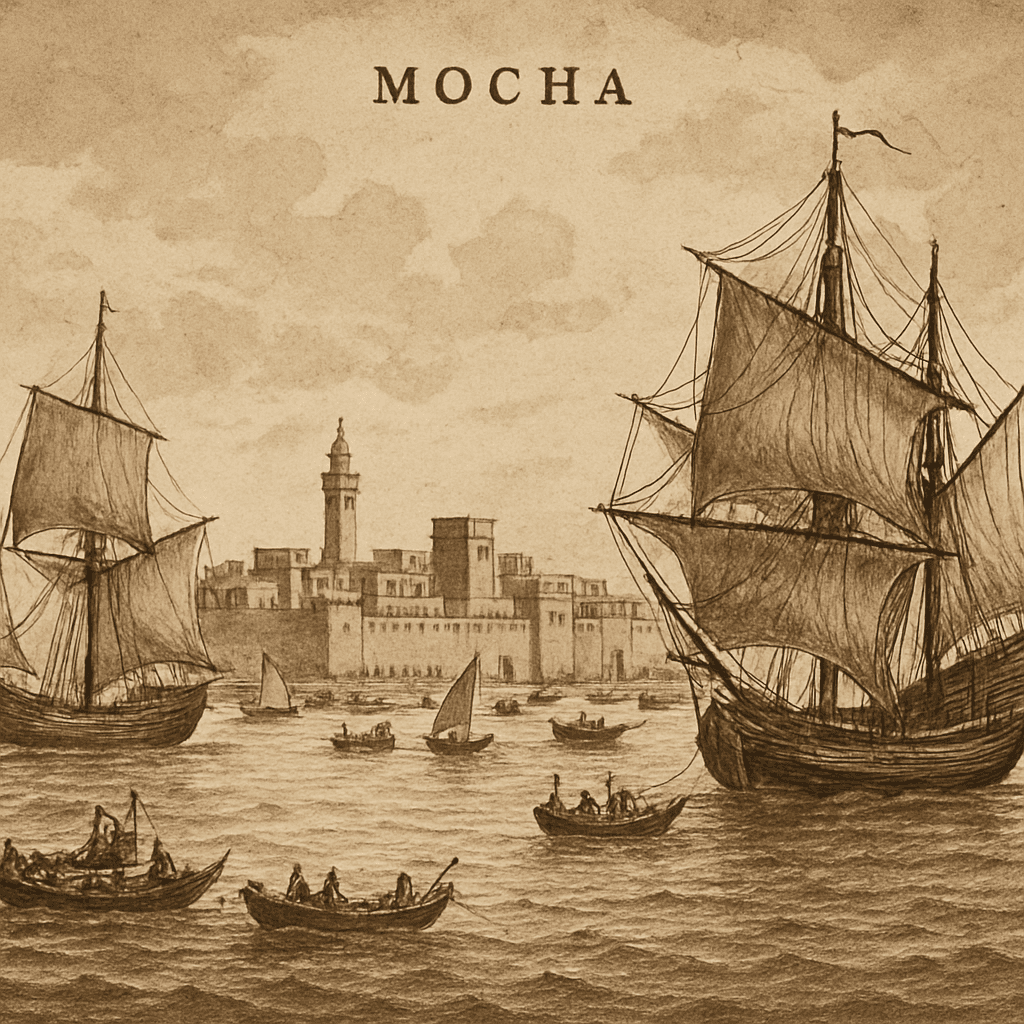
The Rise of Mocha: Yemen’s Coffee Port
The port city of Mocha became a legendary coffee hub in the 17th century. Nestled on Yemen's coast, Mocha was once bustling with traders. The city was named after the beloved Yemeni mocha coffee.
Mocha’s coffee trade gave rise to the term "mocha coffee." This coffee was favored for its distinctive flavor. The name "mocha" became synonymous with high-quality Arabian coffee.
Trade routes connected Mocha to the world, enhancing its status. Ships carried Yemeni coffee beans to Europe, India, and beyond. Mocha established Yemen as a central player in the coffee industry.
The influence of Mocha endures in modern times. While it differs from chocolate-flavored mocha drinks today, its legacy is robust. Mocha symbolizes the rich history and tradition of Yemeni coffee.
Unique Characteristics of Yemeni Coffee Beans
Yemeni coffee beans are renowned for their rich and complex flavors. These beans are often small, dense, and packed with unique notes. Coffee from Yemen stands apart in the specialty coffee world.
The high-altitude regions of Yemen contribute to its beans' distinct taste. The climate and soil nurture flavors with fruity and wine-like qualities. This terroir is a crucial part of Yemeni coffee's allure.
Ancient techniques define the processing of Yemeni beans. Sun-drying is a tradition that enhances their natural flavors. Unlike many modern methods, this process is slow, preserving traditional quality.
Here are some key characteristics:
Rich and intense flavor profile
Unique fruity and spicy notes
Dense, small beans with a wine-like finish
Yemeni coffee's aroma adds to its special charm. Often floral and spicy, the scent is captivating. This bouquet is appreciated by coffee enthusiasts globally.

by Phil Hearing (https://unsplash.com/@philhearing)
Traditional Yemeni Coffee Culture and Ceremony
Yemeni coffee culture is deeply rooted in social and religious practices. Coffee in Yemen is not just a drink; it’s a way to build community. The traditional coffee ceremony in Yemen is an important social event.
In a typical ceremony, the coffee pot, or "jebena," takes center stage. The pot is often ornately decorated, symbolizing hospitality. People gather, sipping coffee from small, handleless cups called "finjan."
Spices are often added to the brew, enhancing its flavors. Cardamom and cinnamon are popular choices, providing a warm aroma. These spices add depth, making the coffee experience richer.
Components of the traditional ceremony include:
Use of the jebena for brewing
Serving in handleless cups
Addition of spices like cardamom
Storytelling and incense accompany the ceremony. These elements create a fragrant and engaging atmosphere. The ritual fosters connection and hospitality among participants.
The ceremony is not just about coffee; it's about honoring guests. This practice showcases Yemeni culture's emphasis on generosity and warmth. It’s a cherished tradition that enriches social ties.

by Ruofeng Lei (https://unsplash.com/@ruofeng)
The Art of Growing and Processing Coffee in Yemen
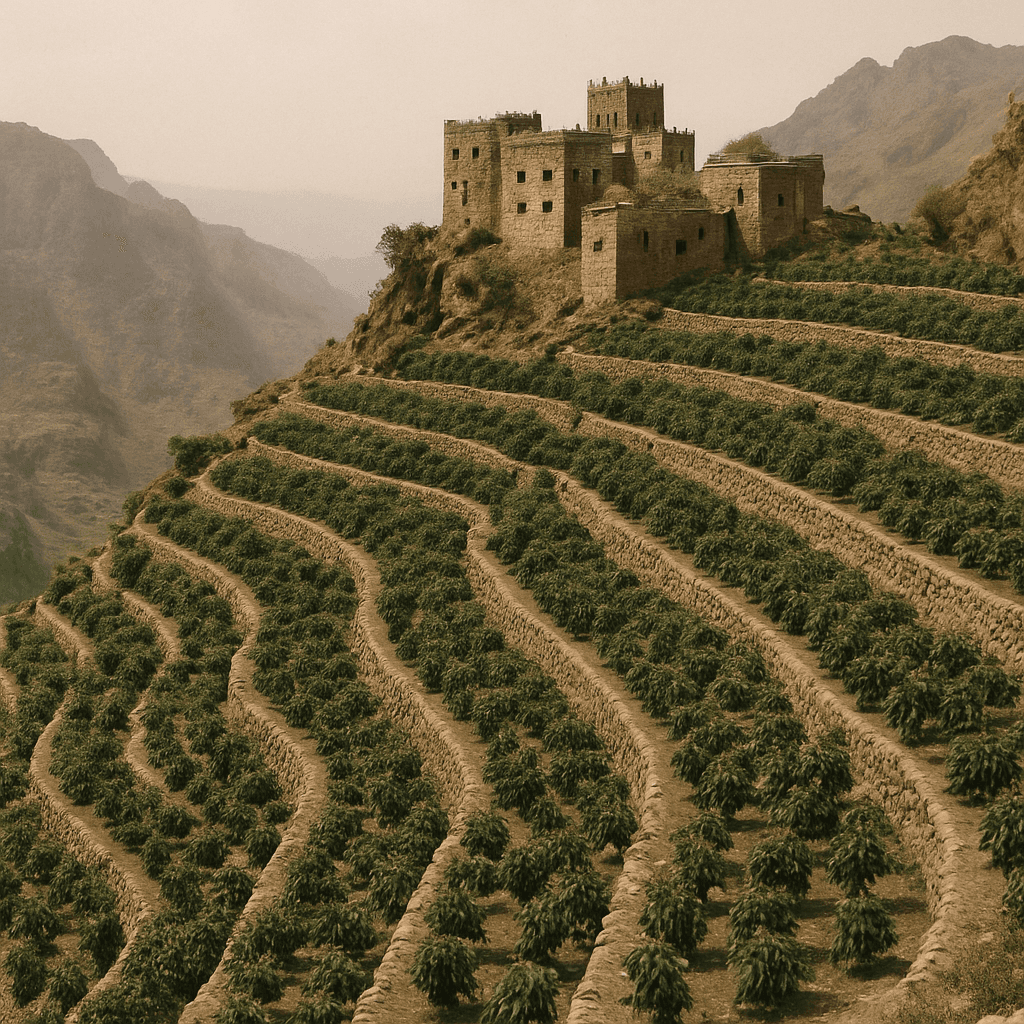
Yemen's coffee cultivation is a unique art, steeped in tradition. Farmers employ ancient techniques, passed through generations. The terraced landscapes of Yemen contribute to ideal growing conditions.
High altitudes play a significant role in Yemeni coffee's distinct flavor. These elevations foster a climate perfect for coffee plants. The result is beans with complex, rich taste profiles.
Organic methods are prevalent, emphasizing sustainability. Traditional practices minimize modern interventions. This approach ensures authentic flavors and quality in every bean.
Key elements in Yemeni coffee cultivation include:
High-altitude farming
Terraced landscapes
Organic and traditional practices
Processing involves meticulous handpicking by skilled local farmers. Coffee cherries are sun-dried, a method that enhances natural flavors. This labor-intensive process demands skill and dedication.
The commitment to preserving these techniques reflects Yemen’s coffee heritage. Despite challenges, Yemeni farmers maintain these practices with pride. This dedication produces coffee that captivates enthusiasts worldwide.
by Thomas Foertsch (https://unsplash.com/@tfoertsch)
Famous Yemeni Coffee Varieties and Brands
Yemen is renowned for its diverse coffee varieties. Each offers unique flavors and aromas. The distinct microclimates across the country contribute to these differences.
One celebrated variety is the Yemeni Mocha coffee. It should not be confused with chocolate-flavored drinks. Mocha coffee is prized for its fruity, wine-like profile.
Several brands represent Yemen's coffee excellence. Heyma Yemeni Coffee, for instance, is notable for delivering authentic flavors. Mokhaport Yemeni Coffee emphasizes traditional production methods.
Here's a brief overview of famous varieties and brands:
Yemeni Mocha Coffee
Heyma Yemeni Coffee
Mokhaport Yemeni Coffee
Socotra Yemeni Coffee also deserves mention. It hails from the Socotra archipelago, known for unique biodiversity. This coffee's extraordinary taste reflects its rare origin.
Yemeni coffee varieties are highly valued by specialty coffee enthusiasts. Each cup tells a story of tradition and rich flavors. The legacy of Yemeni coffee continues to thrive globally.
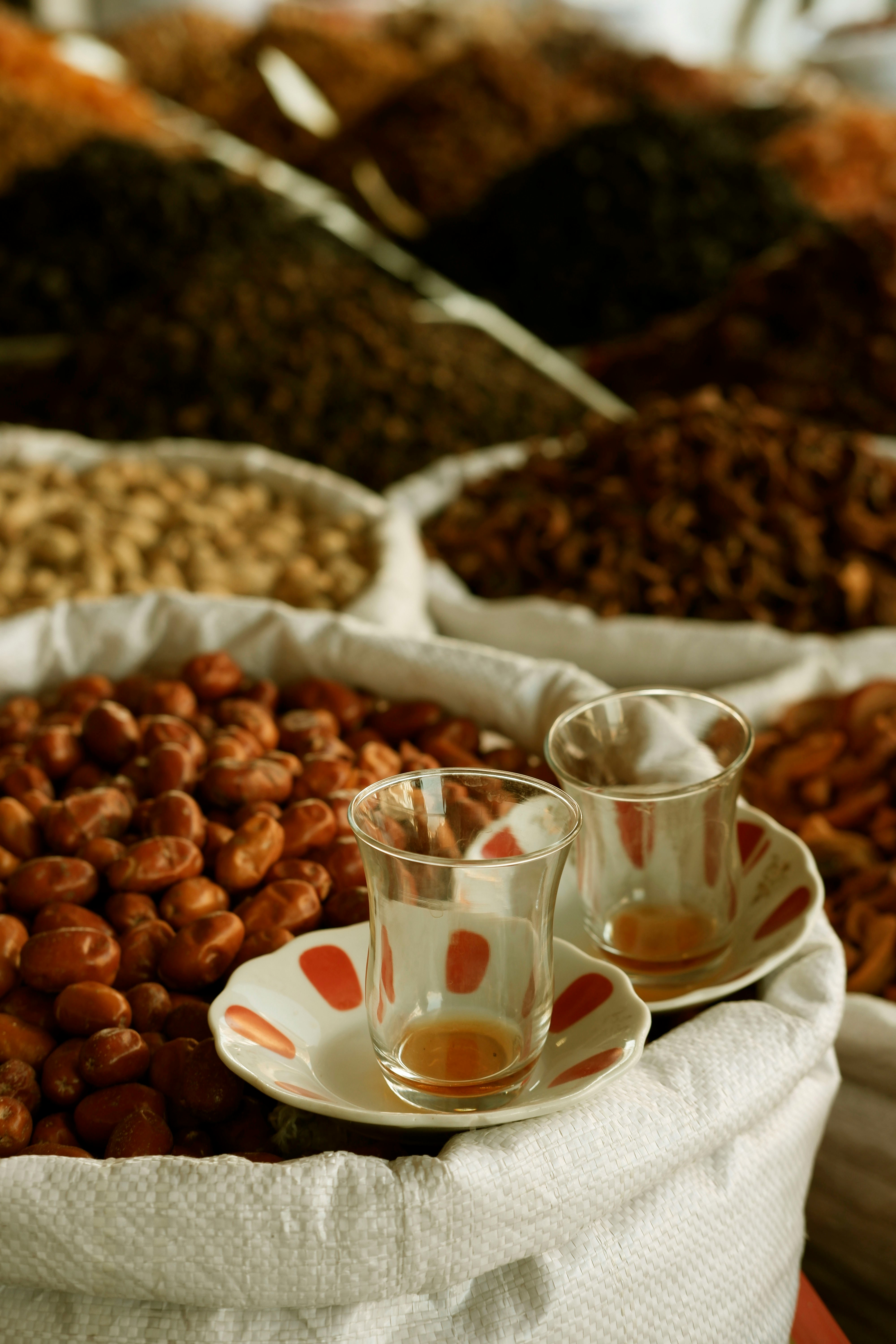
by beyza yurtkuran (https://unsplash.com/@beyzaayurtkuran)
Yemeni Coffee’s Influence on Global Coffee Culture
Yemeni coffee has profoundly shaped global coffee traditions. Its introduction spurred widespread coffee cultivation and consumption worldwide. Yemen's ancient practices influenced many coffee cultures.
The port of Mocha was crucial in spreading coffee. Through trade, coffee reached Europe and beyond. This gave rise to the term "mocha coffee."
Yemeni coffee inspired the Arabian coffee tradition. It introduced preparation methods involving spices. This practice remains popular in the Middle East.
Key influences include:
Introduction of coffee to Europe
Origin of "mocha coffee"
Use of spices in coffee preparation
The traditional Yemeni coffee ceremony fosters a sense of community. This social aspect has crossed borders, promoting coffee as a medium for gathering. Such traditions still influence coffee rituals globally.
Yemeni coffee’s impact is a testament to its historical and cultural significance. Its rich history continues to enrich coffee culture around the world.
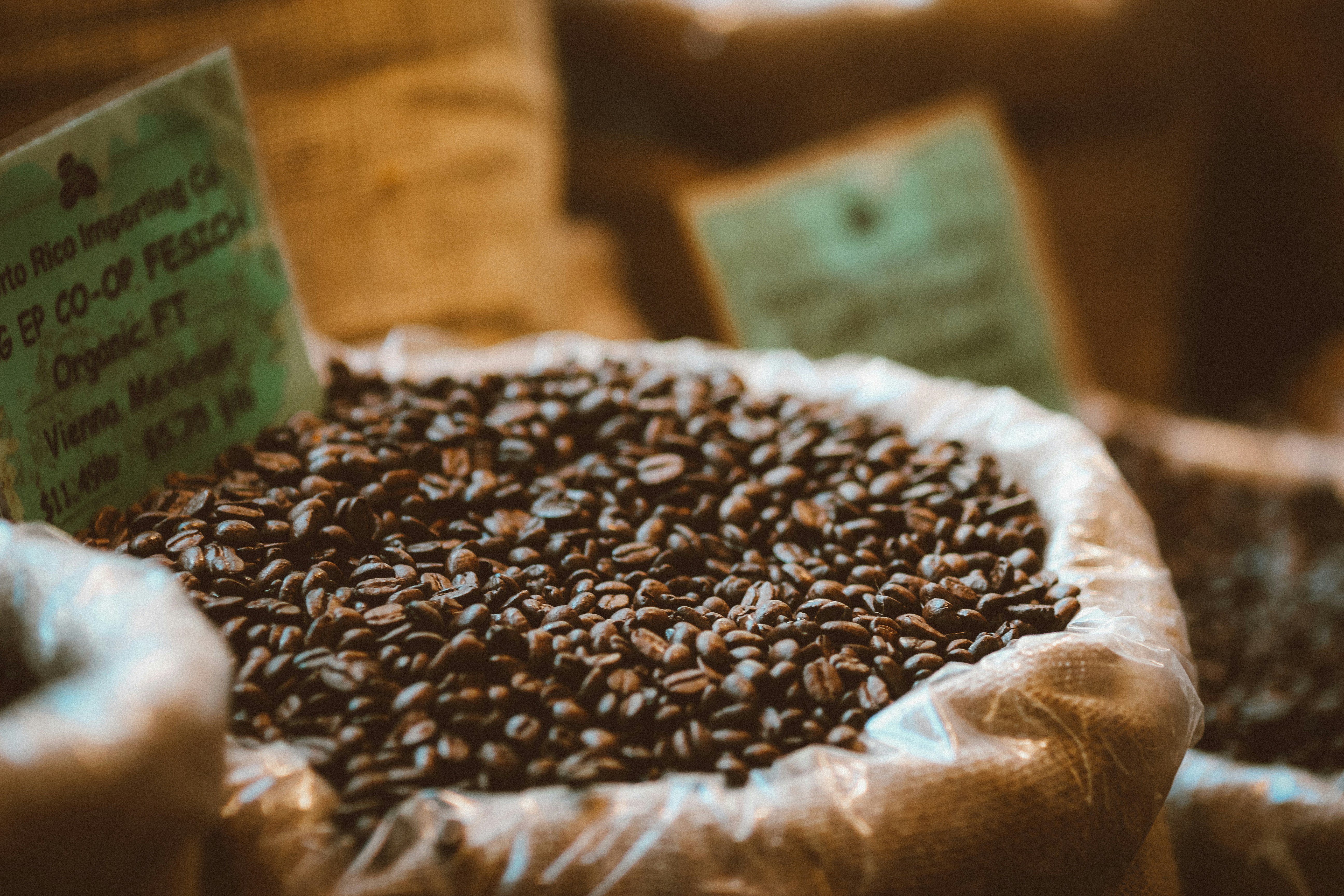
by Jon Tyson (https://unsplash.com/@jontyson)
Challenges Facing Yemeni Coffee Today
Yemeni coffee faces numerous challenges. Political instability significantly impacts coffee production and trade. It disrupts the cultivation and export processes.
Water scarcity compounds these issues. Limited water resources affect coffee yield and quality. This makes maintaining traditional farming methods difficult.
Economic difficulties have made the situation worse. Coffee farmers struggle to invest in their farms. Despite these challenges, Yemeni coffee remains highly valued globally.
Innovative solutions are needed to support Yemeni coffee farmers. Ensuring their survival is essential for preserving this rich tradition.
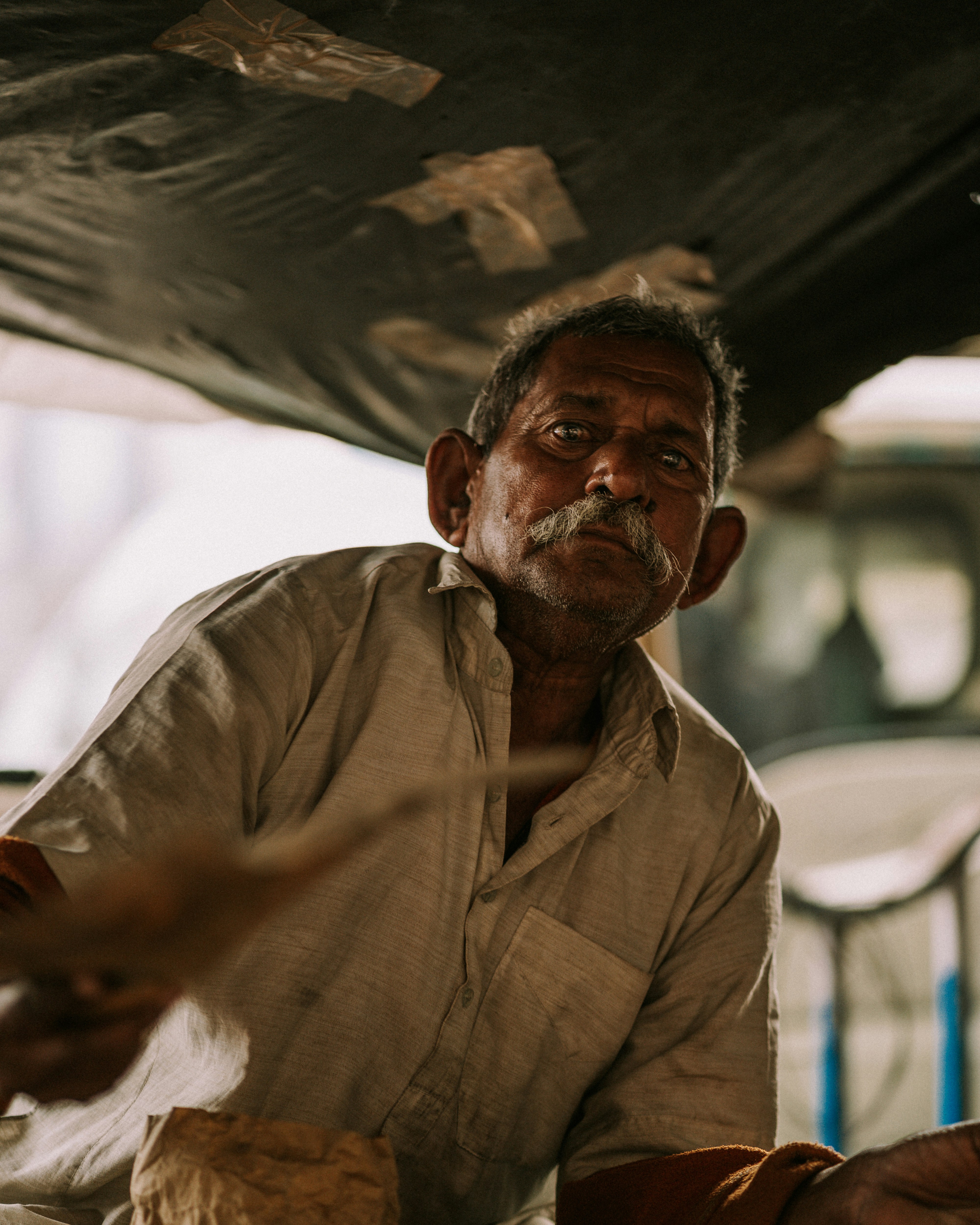
by Rupinder Singh (https://unsplash.com/@singhrupinder)
Where to Experience Authentic Yemeni Coffee
Enjoying authentic Yemeni coffee can be an unforgettable experience. Several places around the globe serve this exquisite brew. They offer a glimpse into Yemen's rich coffee culture.
For a taste of Yemen, visit specialty coffee shops. These places are dedicated to sourcing and serving genuine Yemeni beans. Experience the unique flavors and traditions there.
Popular spots include:
Sayfani Yemeni Coffee House, Coppell
Mokhaport Yemeni Coffee
Heyma Yemeni Coffee
These venues provide an opportunity to savor authentic Yemeni coffee and appreciate its deep cultural roots.
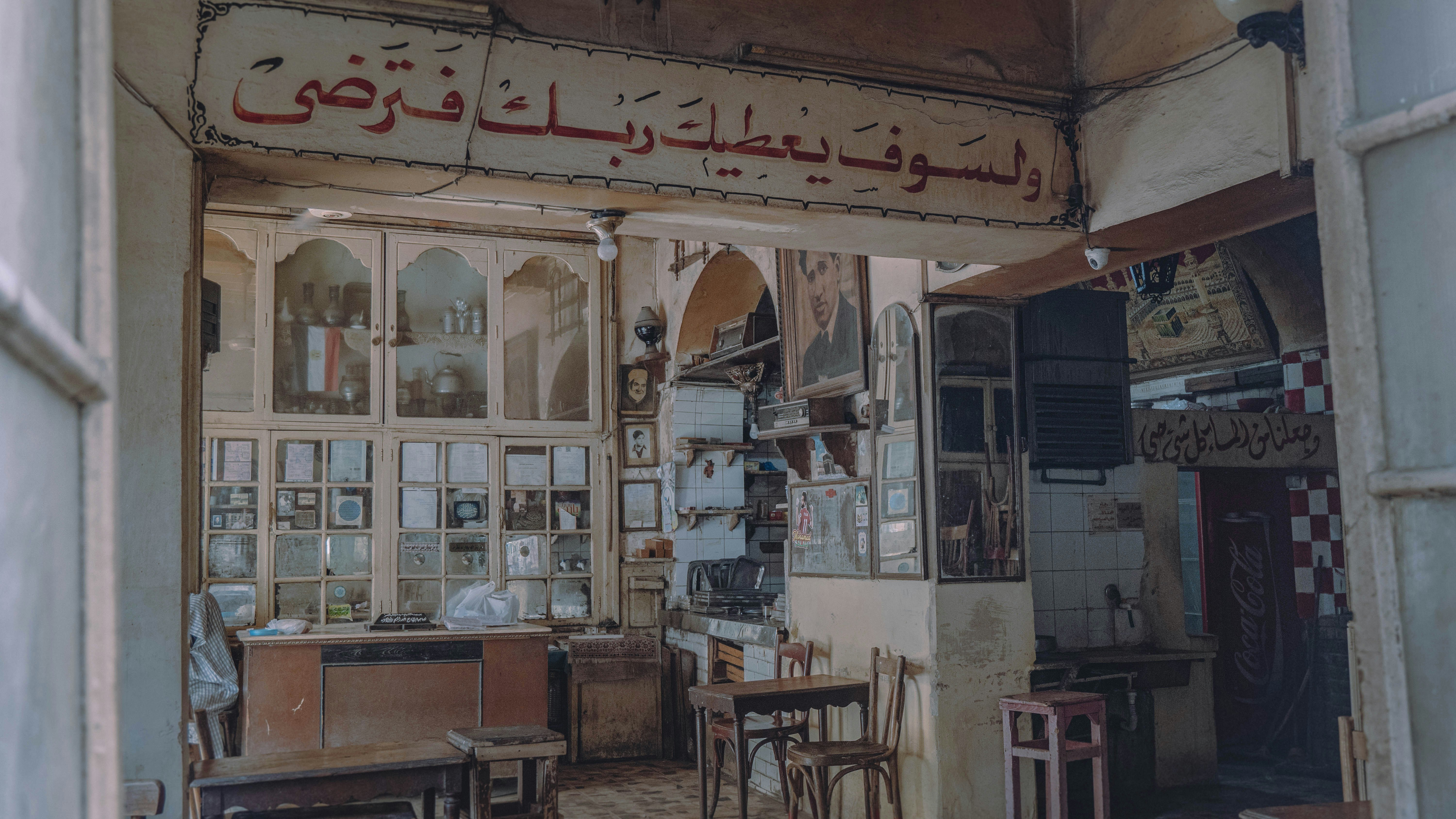
by Thabet Studio (https://unsplash.com/@thabetstudio)
Conclusion: Preserving a Cherished Tradition
Yemeni coffee is more than just a beverage; it is a legacy. This cherished tradition is a testament to the ingenuity and resilience of Yemeni culture. Despite modern challenges, the essence of Yemeni coffee remains vibrant.
Efforts to preserve this heritage are vital. These include supporting local farmers and traditional methods. Emphasizing the quality and authenticity of Yemeni coffee helps maintain its esteemed status.
As a symbol of community and hospitality, Yemeni coffee inspires people worldwide. By appreciating its rich history and unique flavors, we contribute to preserving this cultural treasure for future generations.
